FUJIAN · PUTIAN
Meizhou
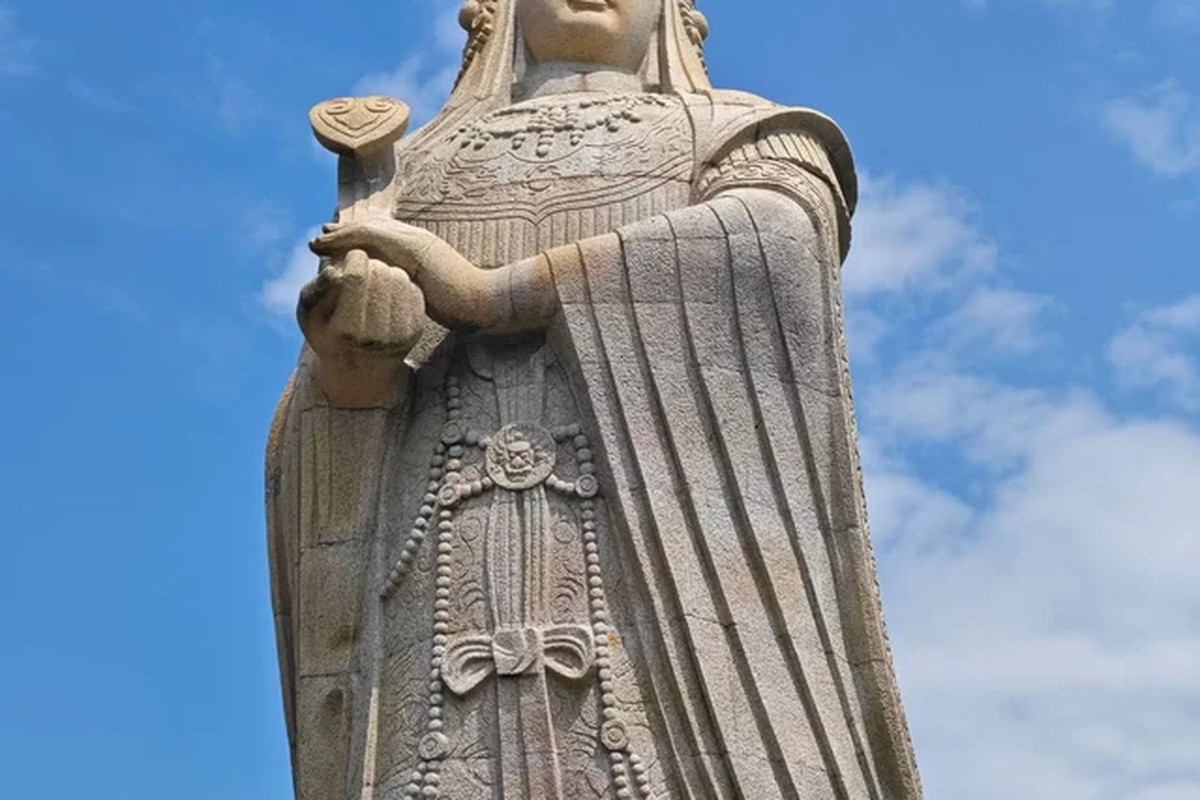
The island sits in the sea. The ancestral temple climbs the hill, and the stone figure faces the Taiwan Strait.
The island sits in the sea. The ancestral temple climbs the hill, and the stone figure faces the Taiwan Strait.
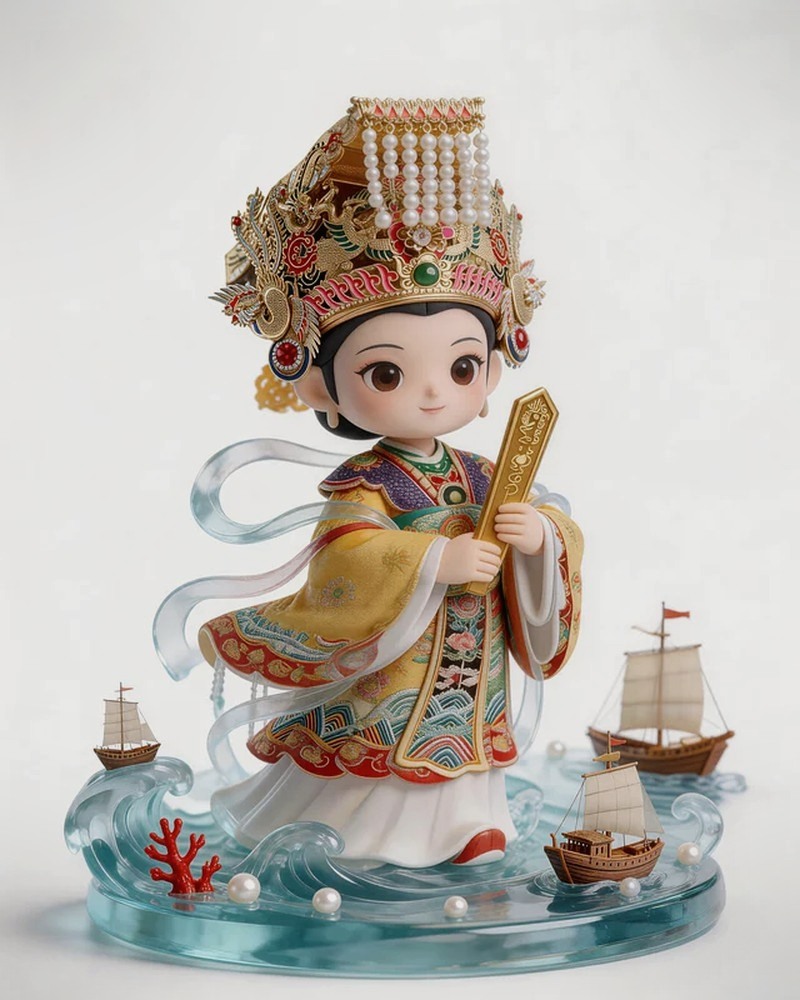
Meizhou is where Mazu's ancestral temple stands. A woman born on this island in the Song dynasty became the guardian of the sea for the whole southeast coast and for Chinese communities across the South China Sea. Of the four places here, this is the only one where a person became a god.
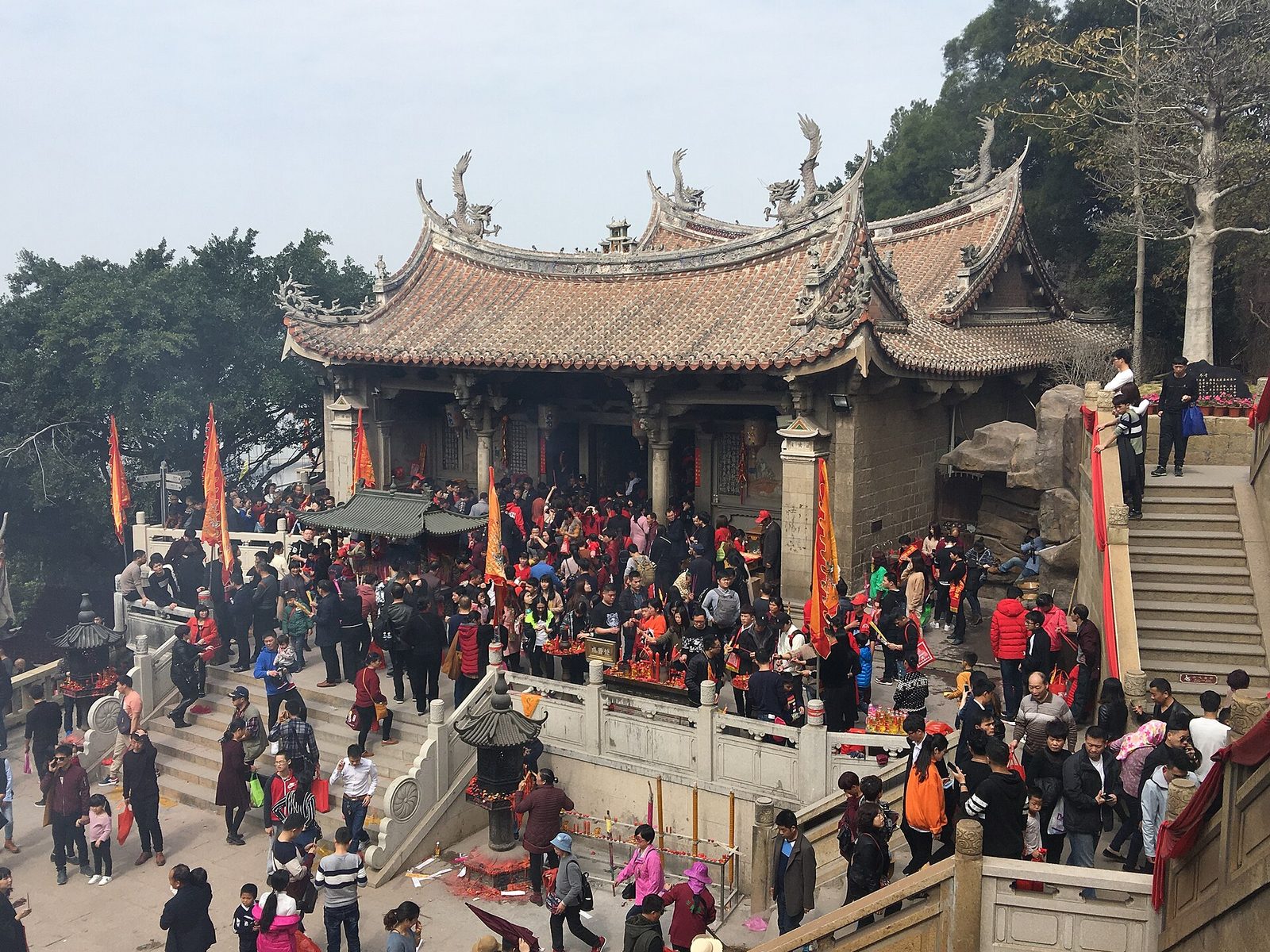
Around the twenty-third day of the third lunar month the air on the island is incense. Pilgrim groups come up from the pier carrying their palanquins; the drums arrive before the people do. The threshold of the main hall has been worn bright, and there is a dip in the middle where everyone steps.
| Setting | Meizhou Bay, Putian, Fujian |
| Tradition | Mazu, guardian of seafarers |
| Temple | Founded in the Song dynasty |
| Divided incense | Southeast Asia, Taiwan, Hong Kong, Macau |
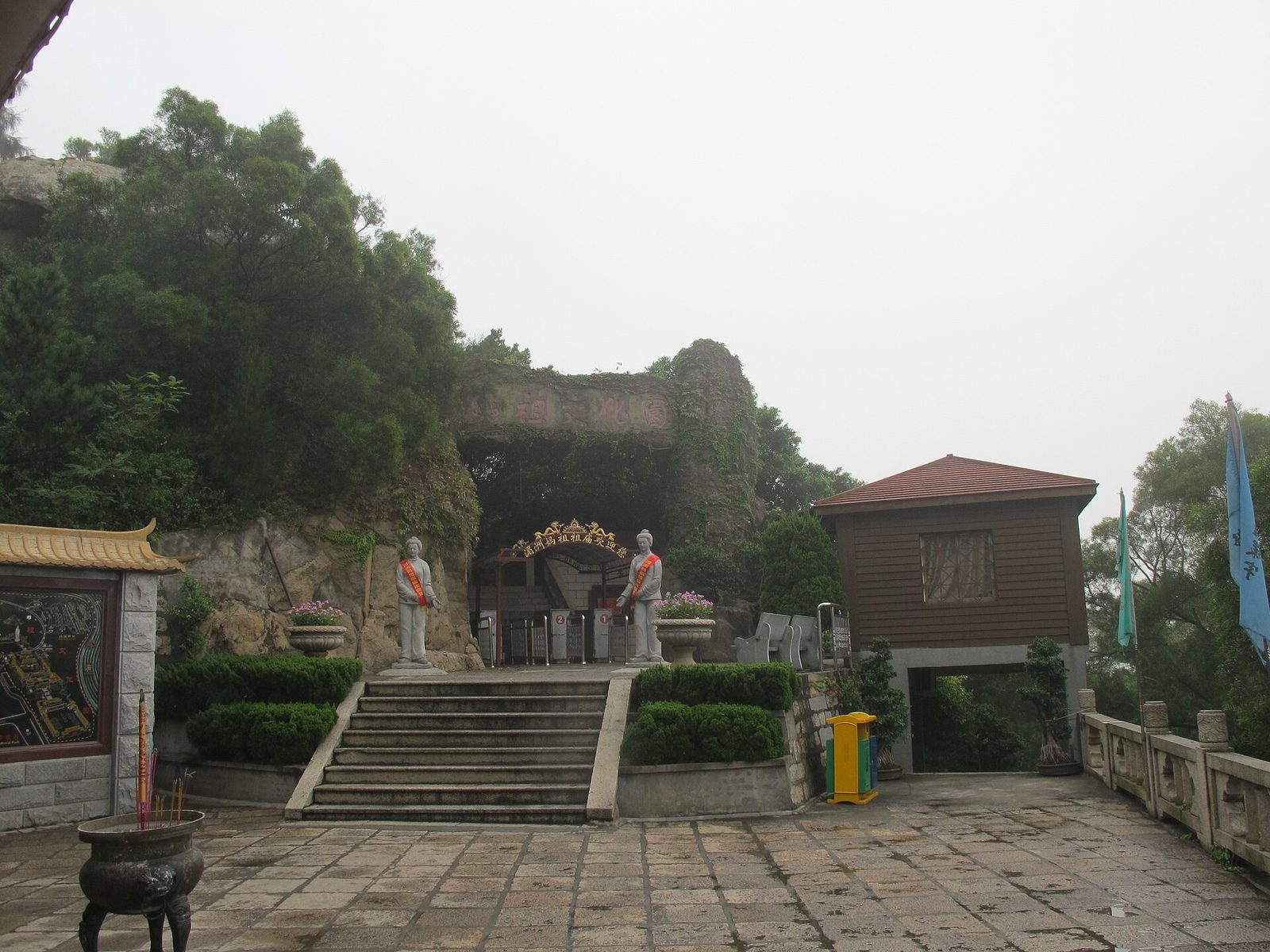
Greet the Lord of Heaven before Mazu. Do not step over the censer. Stand aside when a pilgrim group passes. Do not walk backwards away from an image.
Lin Mo was born on Meizhou in 960 and died in 987, aged twenty-eight. The people of the island built her a temple; successive dynasties granted her titles, and she became a sea goddess.
Lin Mo is born on Meizhou.
She dies at twenty-eight; the islanders build a temple.
Dynastic titles accumulate, from lady to consort to queen of heaven.
Daughter temples abroad send pilgrims back every year.
On the high ground of the island, the main hall facing the strait.
The core of the complex, and the busiest.
High on the hill, standing toward the sea.
The gate, the incense, an afternoon by the sea.
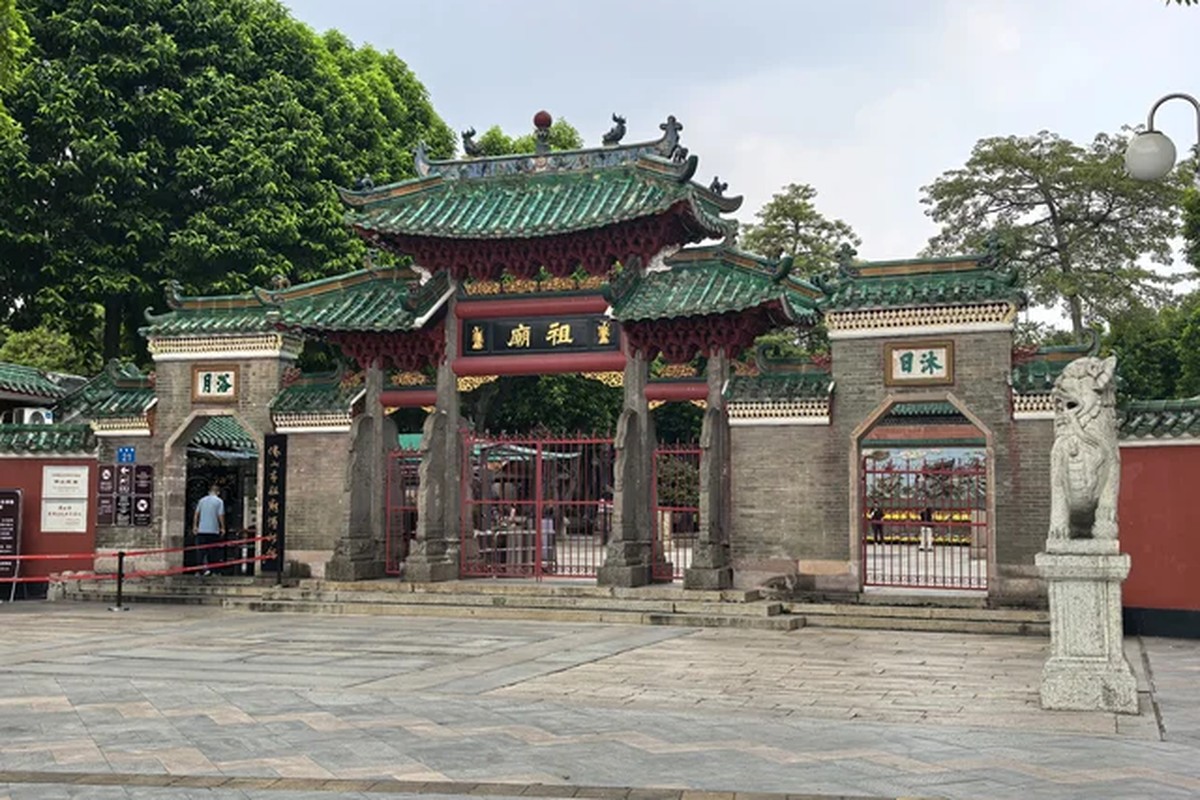
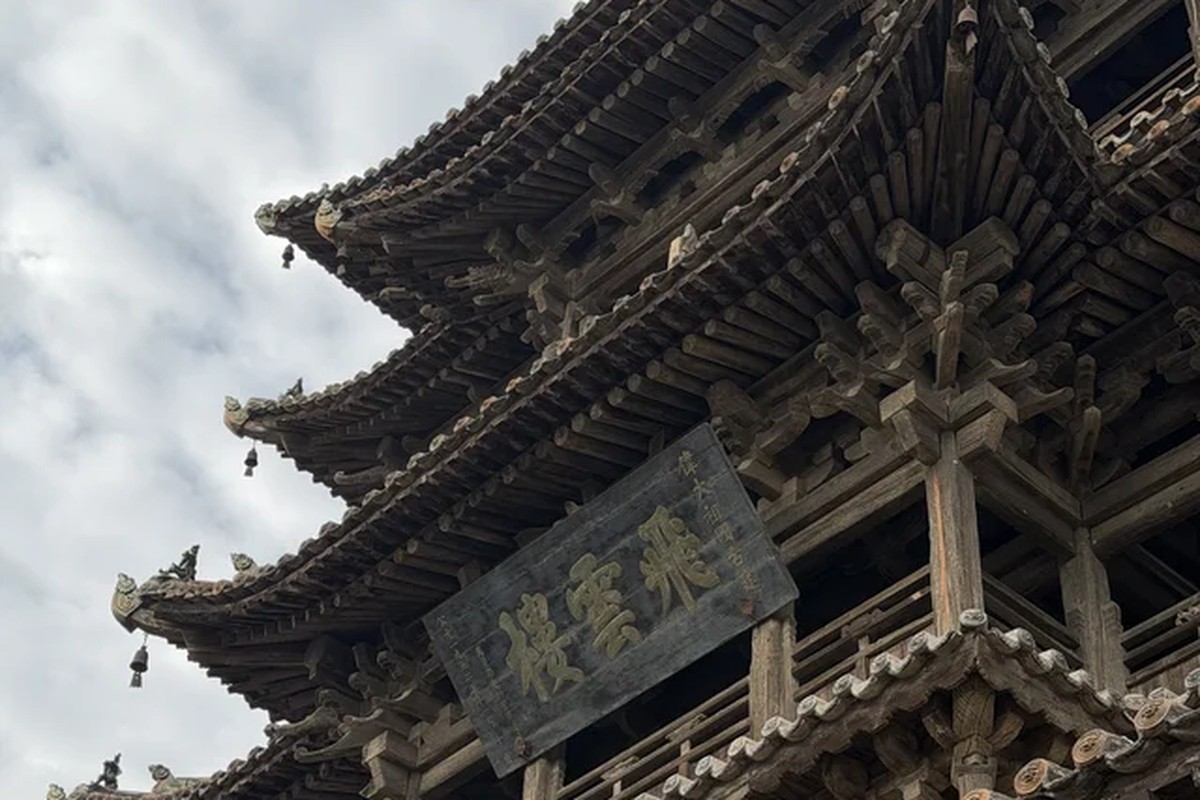
Mazu's incense travelled with the ships. Most Chinese temples in Malaysia, Singapore and Indonesia say their incense was divided from Meizhou. Every year at her birthday they send people back to burn incense here — a route several centuries old that has not broken.
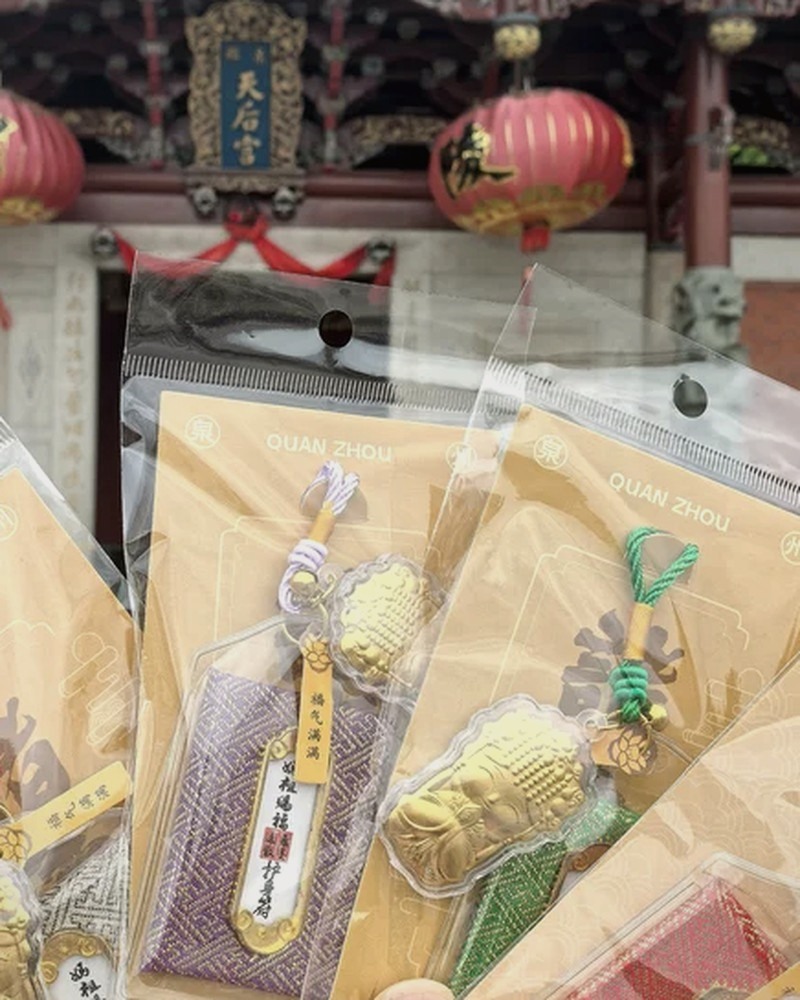
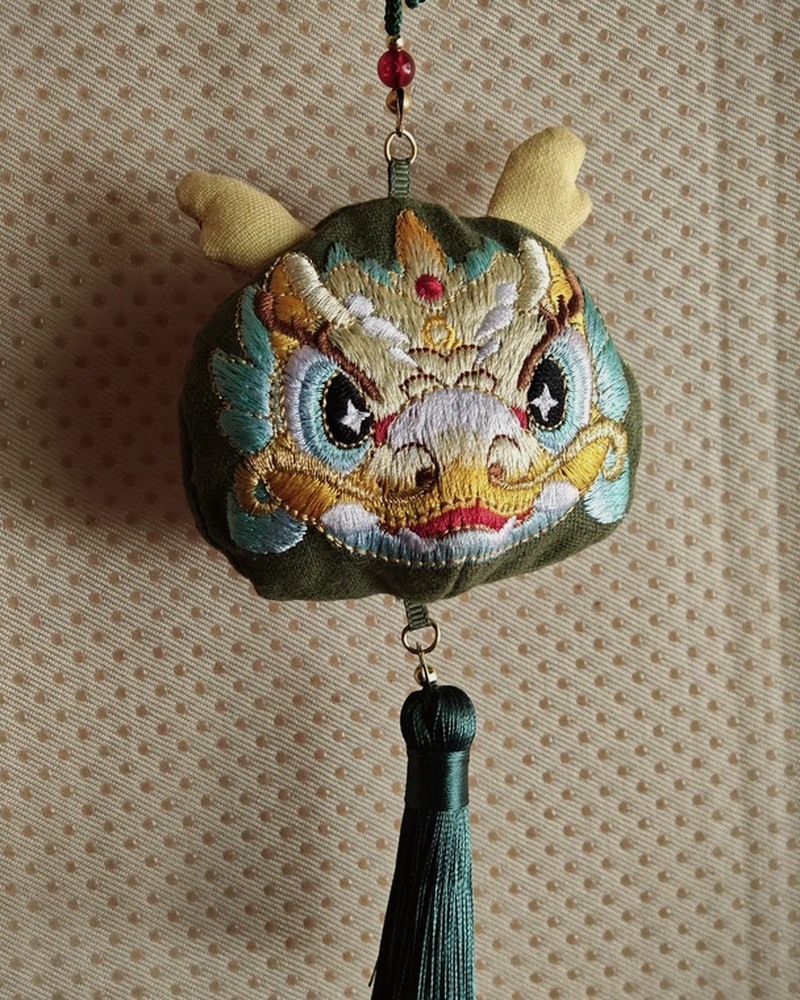
Each piece is numbered and recorded. The number offered is limited by what one service can hold.